





























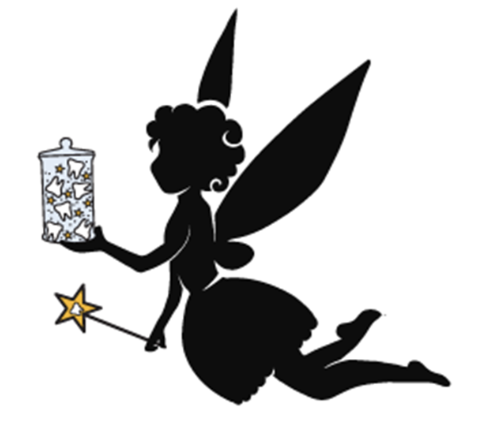
The Tooth Fairy is a seemingly innocent creature, one that delivers kids money in exchange for their wiggling teeth. Although its existence may simply be a fairy tale, her identity hides something sinister: the haunting narrative of capitalism and exploitation.
Instead of approaching the Tooth Fairy from a lens of inflation, monopolies, and the laws of supply and demand like many others have, I will attack the Tooth Fairy for its influences on the minds of children, molding them to be complicit within the exploitative actions of capitalism.
Her sinister roots can be traced to the medieval superstitions where witches would use baby teeth in curses. That superstition led to people feeding teeth to rodents for protection, hence slowly commercializing mice as Tooth Fairies. Although her outward appearance may have been beautified with time, her rotten core remains, possessing children.
The Tooth Fairy labors by taking the loose teeth under children’s pillows and gifting them money in return. Although it may begin innocently with small transactions of meaningless teeth for small sums of money, for young children, even the smallest quarter can feel like a million dollars, thus beginning their obsession with collecting money from teeth. The desperation for a few dollars explains the numerous tutorials on the Internet on how to remove teeth in the most painless manners. It is blatantly clear how young children are undergoing pain for a worthless payment, acting all as conditioning for their future characters as adults, where they work in a dead-end job, accepting their numbing life for a wage.
The pain undergone by the children in the system of capitalism is reminiscent of the colonial era, where pain drove the labor and production of goods by the colonized people for the colonizers. Just like how the Tooth Fairy persuades children to painfully remove their teeth for a chance at fortune, colonizers enforced punishments like the removal of hands from slaves for nonexistent wages. Through capitalism and its symbolic form of the Tooth Fairy, the individual’s body has become commodified as another product for the wealthy to take part in and to enjoy.
The overly indulgent nature of the Tooth Fairy in money has caused her to desire something more, something that would increase her feelings of superiority in wealth and status. She has decided to collect teeth, the commodified parts of children, to build her own empire and castles made out of the white nubs. The ownership of pieces of millions of people breeds in her a feeling of success and the success of a capitalistic economy to only benefit a minority while they extract as much as they can from the less fortunate. Furthermore, her collection of seemingly meaningless oddities display another level of wealth, one that has manufactured a world where artistic taste has become a privilege and a separating factor from the poor, similar to rich men who flaunt their wealth and superiority by their judgements of art. To maintain her status while the rest of the population is attempting to catch up to the growth of billionaires, she partakes in eccentricities like consuming the body parts of others, displaying how capitalism has also stripped the empathy and humanity out of the colonizers and enforcers of the system.
The Tooth Fairy, under its innocent appearance, uses deceit and trickery to manipulate the mindset of children into confining their mindset into one followed by the world, capitalism, demoting the value of self-independence. Children have been commodified, and so have their brains.Therefore, we should burn the castle of teeth to the ground and return the children’ stolen body parts as someone more privileged enjoys their position consuming kids for their innocence.