





























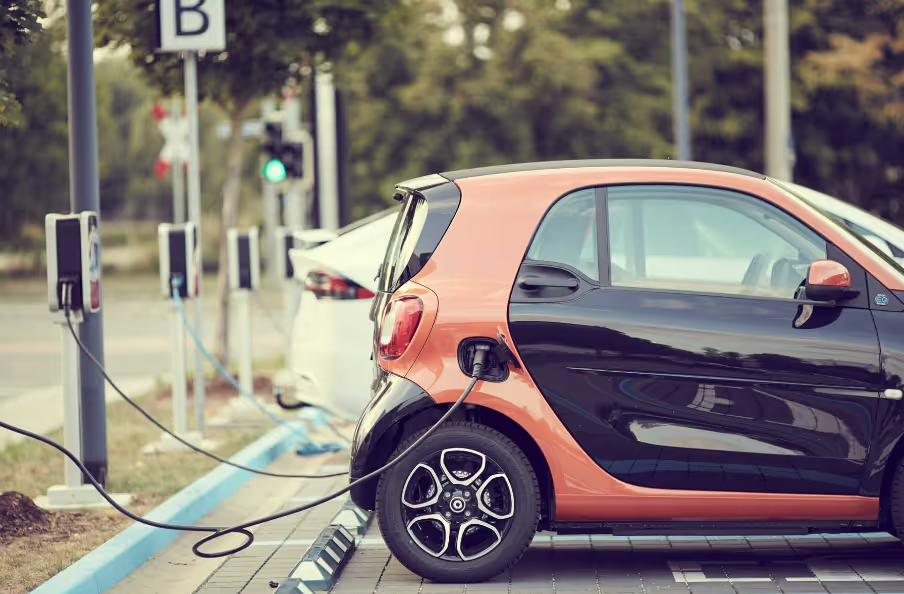






















Electric vehicles have recently become a very hot topic. After all, they appear to run on clean energy. Many environmentalists point toward electric cars and “clean energy” as the solution to the climate crisis. However, this view is still far too superficial. It seems to solve the issue of “unclean energy” whilst creating new problems from the exploitation of other resources to generate energy.
First of all, electric cars rely on electricity, which is still partly produced from many “unclean” sources. Especially with the rise of Trump’s presidency, there have been many more subsidies to coal manufacturing plants, resulting in an odd phenomenon in which electricity became merely an intermediary form between fossil fuels and cars, without eliminating the root cause of global warming: the fossil fuels themselves. In the end, the purchase of more EV cars may only benefit the large electric power plants, most of which (roughly 64%) burn fossil fuels. Policymakers should therefore try to target the root cause of the issue, the energy source itself, rather than simply making policies that put restrictions on the form of energy used.
Additionally, not all “clean energy” sources are actually environmentally friendly. For instance, let us consider the hydroelectric dams, which are said to have a lower carbon footprint than other conventional methods of generating electricity, such as burning coal. Despite this lower carbon footprint, hydroelectric dams have a variety of other harmful effects on the environment. For instance, dams, in effect, block the natural flow of the river, making it impossible for certain species of fish to reach their birthplaces where they mate. Also, the introduction of dams raises the water temperature of rivers, affecting the gender of fish populations. This has resulted in a disproportionately high ratio of male to female fish, which has endangered many populations of fish. According to research by California Trout Co, within a hundred years, nearly three-quarters of the states’ remaining 31 species of salmon will be extinct. So while the hydroelectric dams seem to solve the problem of carbon emissions, they are, in fact, killing off other species of animals and negatively affecting the entire ecosystem, which will eventually bring repercussions to humans, who are at the top of the food web.
Furthermore, the idea of “green energy” and renewable energy sources actually leads to moral hazard. When people believe that green energy will provide a solution to the environmental crisis, they decide that they no longer need to reduce their carbon footprint because, after all, green energy will solve everything. This is akin to the situation of large producers like Exxon Mobil and Chevron Corp buying “carbon removal contracts” in which they pay private companies to remove the carbon that they put into the air in the first place. Electric cars and “environmentally friendly vehicles” provide a seemingly technologically advanced solution, which only addresses the superficial aspects of the issue. Instead, we should address the root cause itself. Consumers should start being more environmentally minded and must be educated on issues like this. For instance, they should control their purchase of certain items with a high carbon footprint, such as meat. One of the major factors driving the climate crisis is the large number of livestock, such as cattle and pigs. Cattle and pigs also constantly exhale carbon dioxide into the atmosphere, and especially when they are being raised in the millions, this can make quite a noticeable impact on the atmospheric composition. Especially in America, where consumers eat unhealthily high quantities of meat, the result has been a spike in cases of obesity, high blood cholesterol, and diabetes. If consumers just cut down on eating unhealthy meat with high fat and switched to a healthier diet consisting of more greens, this would drastically reduce carbon emissions by de-incentivizing the mass-raising of livestock on large breeder farms.
In the end, rather than proposing solutions that are technologically complex and hard to implement, the changes should start with simple things, such as our choice of groceries.