













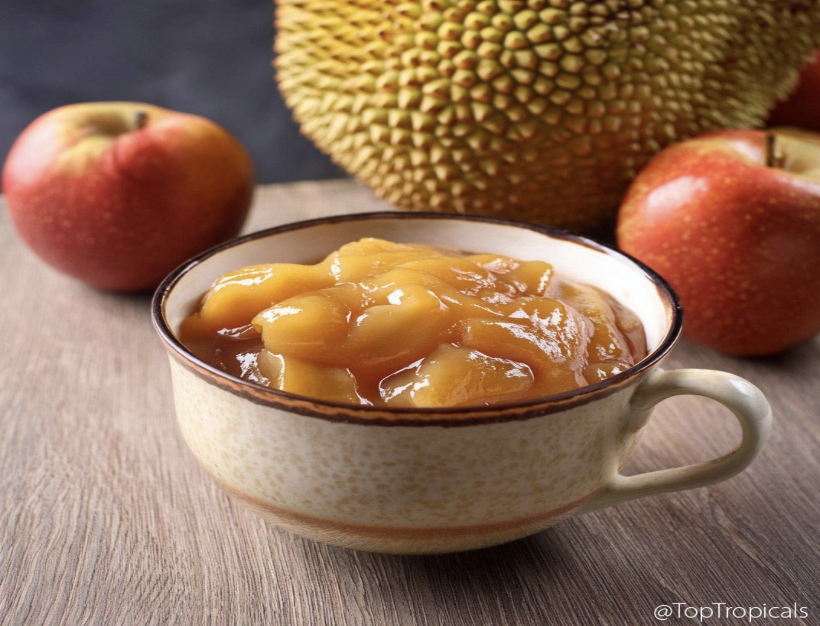









You’d better drink some warm water in the morning, paired with boiled apples, otherwise you won’t be Chinese! Don’t wash your hair on Lunar New Year or say bye to your luck! At a time when everyone on social media wants to be Chinese, it appears we have forgotten the violence and oppression Asians experienced a few years prior during the COVID-19 outbreak. In fact, Asians have experienced historical oppression through racism stemming from world wars, the Red Scare, and the veil of immigration.
Recently, platforms like Instagram and TikTok have been flooded with posts teaching others how to be “Chinese.” Although originally an innocent trend led by Asian influencers, it morphed into toxicity, as ideas often do. It began to follow the pattern of non-Asian creators rebranding and whitewashing Asian cultural ideas as a “new, never thought of concept.” Just as Korea and Japan are fetishized and subject to misattributions of culture, the spotlight has now fallen on China.
The entire trend regarding being Chinese is full of cultural appropriation, “the unacknowledged or inappropriate adoption of customs, practices, ideas, or aesthetics of a marginalized or minority culture by members of a more dominant culture, often in a disrespectful, superficial, or exploitative way”. You cannot claim a culture as your own when you have not lived a second in its context. You cannot borrow some parts of a culture while deeming other parts as cruel and disgusting. You cannot only take and rename the aesthetic moments while treating new foods and practices as weird and cruel, like you did with tanghulu and bird’s nest soup, K-pop idols, fermented foods, and countless examples from other countries. Following stereotypes is not equivalent to respecting cultures. Although it may bring appreciation to the heritage after decades of discrimination and baseless microaggressions, the process embeds itself in racism. Good intentions do not erase reality and effects. As soon as a practice does not conform to their standards of virality or does not look appealing, a culture will be deemed disgusting once more. Once people on social media get over Chinese New Year’s superstitions, they will once again make disgusted faces and feign illness as they see “weird” foods like stinky tofu, durian, century eggs, and more. The popularity, appreciation, and receptiveness of an idea and a culture as a whole should not be tied to their virality or to popular opinions. Practices should not be colonized and repackaged into ideas digestible for the masses. Physical and military colonization may have ended a few decades prior, but cultural colonization remains.
Overall, the Asian community has suffered decades of colonization that affect everyday life through casual and systematic racism. The countries of Asia, like China, have experienced a unique relationship with the West; what was once colonized and exploited became demonized for their differences in ideology, all while maintaining their label as “Other”. However, as soon as these countries emerged with power on a more global scale and, as soon as they caught the Western eye, they could once again be dominated and “loved.”
Is it truly fair to label yourself as Chinese when you have not lived through a second of Chinese history?