









































“Liberty means as much to someone from Indonesia as it does to someone from Louisiana.”
Benazir Bhutto 2007
The first female prime minister of Pakistan, Benazir Bhutto became prime minister after years of being imprisoned by the military regime. After her father, the previous leader, was executed by the military government, she led the party to victory. A short while after writing an essay from which the above quotation was found, she was assassinated at a party rally.
I find this hard to believe that liberty is the same concept for everyone, everywhere. A woman in Tehran has the same idea of liberty as an American citizen in the “land of the free”?
Firstly, to get this argument to where I want it, let’s proceed under the assumption that citizens in a nation considered to be more “free” or “democratic” grow comfortable in their status, that they forget the rights that they hold, the power they hold over the nation in a democratic society. To defend this statement, I look to various civil rights struggles in history, and something interesting becomes apparent. The rights we take for granted today–the right to vote, to speak one’s mind, to be regarded as an equal to your neighbor in the eyes of the law–were never given. These rights had to be taken, to be fought for. This is a fact that the people of today seem to forget. The people of the supposed “free” and “democratic” nations. The struggle to acquire “liberty” for so many marginalized groups has historically always been an uphill battle.
Let’s go to Tehran, where religious police patrol neighborhoods. Or Indonesia, where men are publicly whipped for homosexuality. These are just some of the countries where the rights that we pride ourselves on having in the “free and democratic” West are conspicuously absent in society. What’s more is that the people of these countries are aware of this. They are aware of the rights that they are denied. Does that mean that the thousands who marched for Masha Amini, with her name on their lips and their hearts, know democracy better than us? Do they know liberty better than we do?
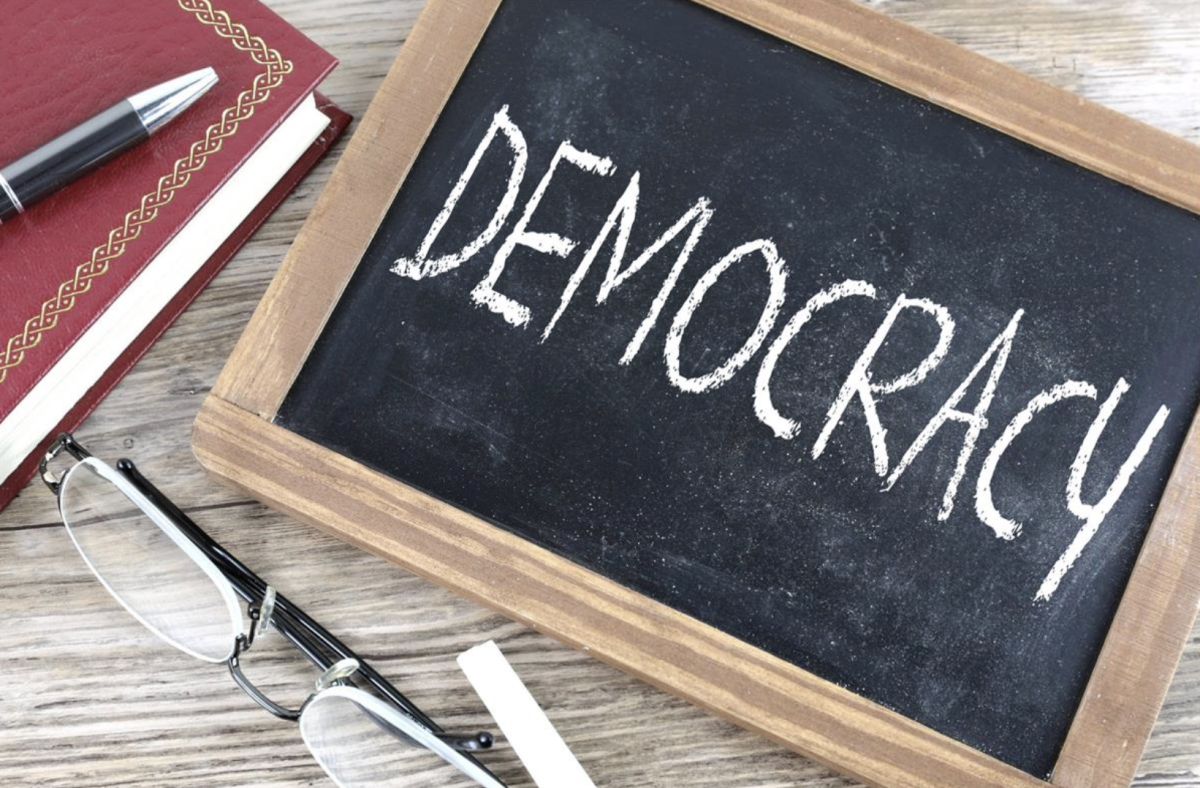
Democracy in itself necessitates the presence of a politically involved society, and so the protest, the violence, the resistance that comes after such a horrible incident, such as the brutal murder of Amini, are politically involved. Politically involved because they are fighting for change. So what does that mean? It means that either they do indeed know the true idea of democracy, or that a politically involved society is not, cannot, be the only defining characteristic of a democratic society.
But what does democracy have to do with liberty? Are they mutually exclusive, or must one exist for the other to also exist?
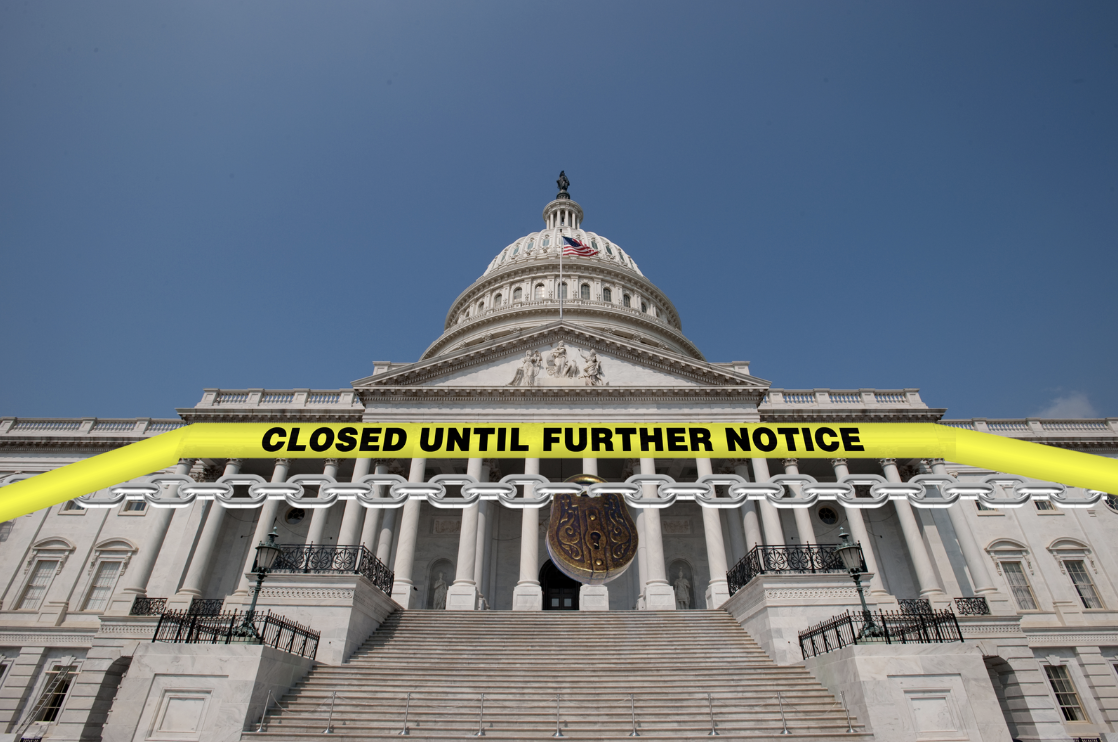
Let’s come back to the United States, specifically to the marches led by Dr Martin Luther King Jr. (MLK) during the Civil Rights Movement around 70 years ago. The right to march, to speak, to protest peacefully at the Capital (it’s shameful that I have to specify peacefully, considering the events of January 6th), surely that was democracy in its truest form? Or was it the fact that these marches finally led to change, the true form of democracy? The Civil Rights Act, for one, would never have been signed into law without the pressure of leaders like John Lewis or MLK. Interestingly, the rights that were finally achieved could only have been achieved through a democratic system.
Looking at historical precedent, I believe that liberty, or the idea of it, can only be achieved by the people in a democratic society in which the people have the means to protest for their rights. Conversely, a democratic society relies on the premise that its people have a certain degree of liberty, like the right to vote.
So now, an interesting conclusion can be reached. People united under a common cause and able to create change surely is the meaning of a liberal and democratic society. So democracy is not an aspect of society in which the people have the power to make their voices heard, but the power of the people to have change effected. Similarly, liberty should then be defined as the ability to effect change.