












































Disclaimer: The following is written based on the authors’ personal experiences and observations as Indians living in the U.S.
Let’s step into a day-in-the-life of a typical brown boy living in the United States. After feigning nonchalance for the entire school day, spending an hour scrolling through LinkedIn, spinning around in his office chair at the CapitalOne internship his father scored for him, and scouring the Aelfric Eden website for jeans that are wider than his torso, he’s tired and hungry, and it’s a Friday night. The home page of his phone is empty because his friends couldn’t find a function to attend, despite it being Labor Day weekend.
His tummy rumbles. Did I mention he was hungry?
He glances at the time—8:09 PM—and checks the “Desi Boyz 💯🔥🤣✌🏾” group chat once more before grabbing his keys to his dad’s BMW (his parents took the Tesla to Garba, remember?).
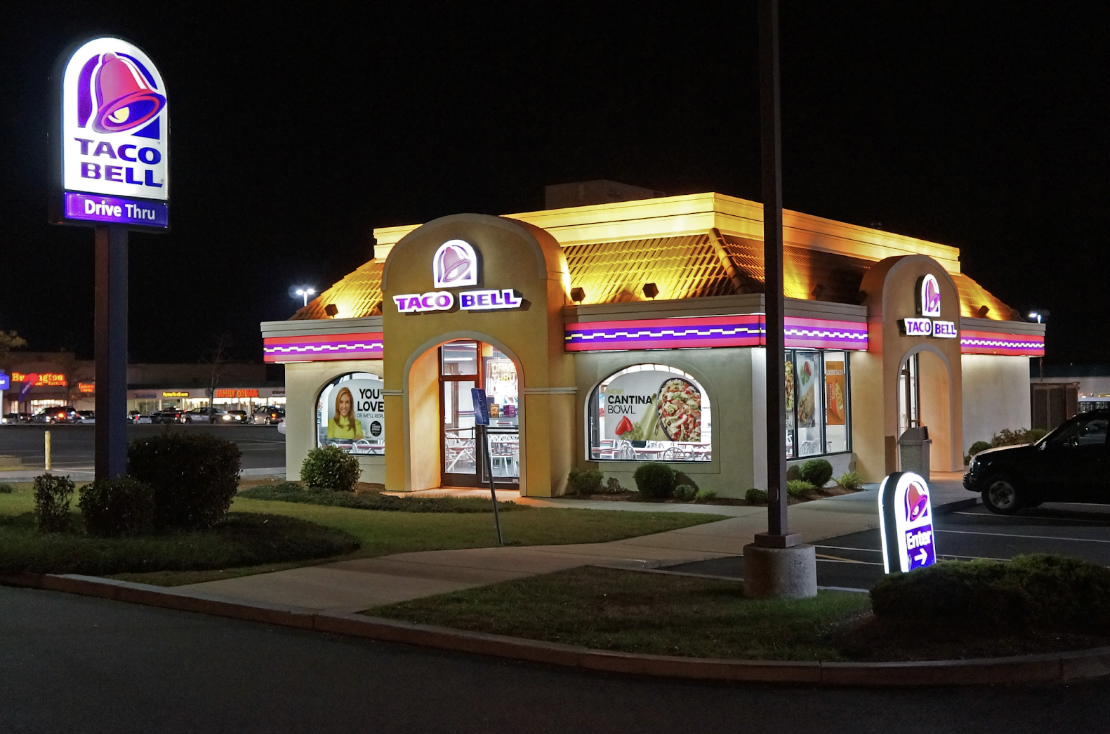
He knows where he’s headed, navigating through the tame streets of Palo Alto, searching for those neon purple lights. Spotted. He pulls into the bumpy lot of Taco Bell and parks the car. The melodic voice of Playboi Carti stops abruptly as he turns off the engine.
The oh so recognizable scent of black beans and beef wafts through the air as he steps into his faithful sanctuary. The ordering kiosk glows in the dim, yellow lighting, and he thumbs through the pockets of his astronomically voluminous jeans until he feels the familiar plastic of his dad’s credit card. He doesn’t notice, but a young Taco Bell worker lets out a weary sigh when he sees him.
“It’s his fifth time this week…” The fast food employee mutters to himself.
Once his order is placed, the worker hands him a cup, size medium, for his zero-sugar Baja Blast (he’s tracking his macros, you see). With a fshhh from the soda machine, his food is ready. He paws through the sauce container until he acquires a couple of Fires. Once he has settled down on a steely, black stool, he rapaciously unfolds the paper wrapping of his Crunchwrap Supreme. As his pearly white teeth—which he hopes to envelop with grills someday—keenly dig into the thick layers of the delicate delight, you might begin to wonder: why is he so ecstatic to eat trashy, arguably inauthentic Mexican food? For many Indians in the U.S., Taco Bell is a home away from home in terms of cuisine. Let’s dive into the numerous reasons why we love Taco Bell.
- Vegetarian Variety
Since birth, my family has spent at least one day each month at Taco Bell because it’s never been like the other fast food chains. It was inexpensive, junky, and most importantly, had far more vegetarian options than any processed food store. Can’t have beef? Sub it with beans. Not feeling the beans? Sub it with potatoes. In fact, back in the pre-COVID days, one of the most adored Taco Bell items was the 7-layer burrito packed with refried beans, seasoned rice, three-cheese blend, guacamole, reduced-fat sour cream, lettuce, tomatoes, and absolutely no meat.
The 7-layer burrito comes back from time to time for the “Decades Y2K Menu.” It is nationally beloved by vegetarians and meat-eaters alike. Only Taco Bell could pull off such an iconic feat.
Now, you can argue that only about 30-40% of Indians are vegetarian; however, Taco Bell has something for everyone. While most Indians eat meat, many Hindus stray away from beef and turn to chicken as their go-to alternative. Taco Bell has a select portion of its menu dedicated to chicken—it’s as if Taco Bell can’t help but fit the needs of Indians.
- Finger Food
Whether it’s chole bhatura, dosa, vada, or daal chawal, every Indian has a “finger food” that is a staple in their household. Fingers have long been the preferred utensil of the Indian community, and we bring a part of our culture to every Taco Bell outing when we use these devices to get every last bit of junky goodness into our bodily system. When the creamy amalgamation of beans, sour cream, and cheese falls onto a Taco Bell wrapper, Desis are quick to scoop the leftover filling with four fingers into their digestion portals. This instinct is reminiscent of the way they eat curries, rice, and rotis back home.
- Saucy Storage
One of the beauties of Taco Bell is its extensive selection of diverse sauces. Walk into the average Indian household, and you’ll discover a drawer or cabinet bursting at the brim with a sea of packets of various shades of red. Hoarding sauce packets has become its own Indian diaspora tradition, alongside saving empty yogurt tubs and reusing the plastic grocery bags from Patel Brothers. To desi parents, the idea of letting a free packet of Taco Bell Diablo sauce is practically sacrilege. These sauces end up being integrated into Indian meals at home, used frequently as a dipping sauce for snacks like pakora and samosas. For Indians raised on spice, Taco Bell’s sauces feel desi-adjacent, delighting and tingling the taste buds of many.
- Parallel Palates
Another reason Taco Bell clicks so seamlessly with Indians in the U.S. is the overlap in ingredients. The combination of beans, cheese, tortillas, and spices isn’t too far removed from the lentils, rice, and chutneys that dominate the desi palate. For many, a Taco Bell meal mirrors various desi comfort foods. Indian food, just like many dishes in Hispanic cuisines, has always leaned toward bold heat and spice. A taste of Taco Bell’s Fire sauce reminds you of the heat from the idlis your mother drenches in pungent Andhra chicken curry. While it is a different cuisine, your burning taste buds are an unmistakably familiar sensation.
At the end of the day, Taco Bell isn’t exactly Mexican food to most people, but especially not to Indians in the United States. Instead, it’s Indian-adjacent junk food with a purple neon sign. Here, it’s the unofficial desi comfort chain where common ground can be found among vegetarian cousins, spice fiends, and sauce hoarders. For the brown boy in Palo Alto, Taco Bell will always be there with a bean burrito, Baja Blast, and enough Fire sauce packets to stock his family’s kitchen drawer for months and fuel him while he grinds at his desk for hours working on his Leetcode for his computer science passion project aimed to get him into UC Berkeley.