



































Origins of a Quirky Creation
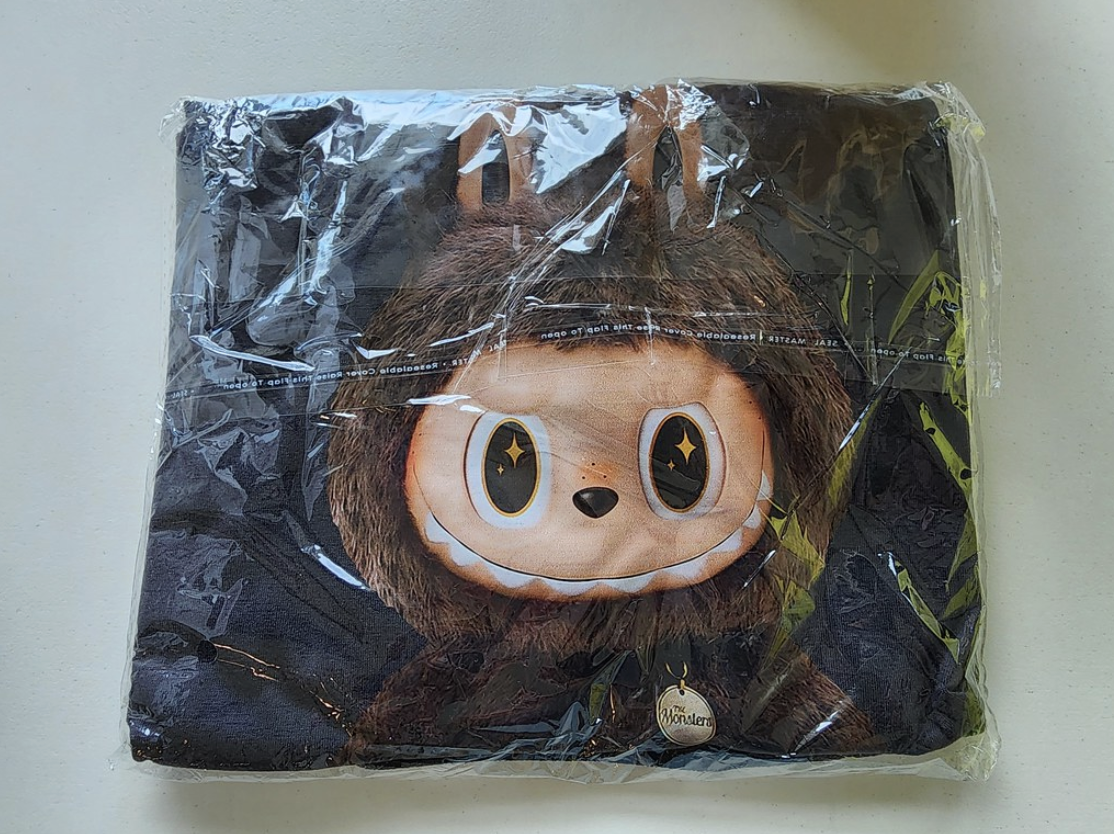
Labubu originated as one of The Monsters series, produced in 2015 by Hong Kong illustrator Kasing Lung. With a mischievous smile, nine teeth in a row, and sharp ears, the creature echoes Lung’s interest in fairy tales and Nordic folklore. Labubu, starting as an art-toy figure, was a playful but disturbing figure that appealed to fans who were looking for something beyond the slick cuteness of mainstream collectibles. When POP MART International Group, a Chinese lifestyle and toy retailer, signed a licensing agreement to manufacture Labubu figures, the character shifted off the fringe to become a mass-market phenomenon.
The Blind Box Boom
The advertising concept of POP MART was key to the popularity of Labubu. The toys were packaged in a sealed blind box, a pack where the customer would have no idea which version they would obtain. This method was a strategy that combined surprise and scarcity, driving the culture of collecting, trading, and sharing online. According to Postdigitalist, blind-box toys are a new type of emotional commerce, in which mystery and chance turn the experience of purchase into an addiction. This marketing model also reveals a modern form of consumerism built on anticipation and identity, where buyers invest not just in objects but in the emotions and community surrounding them. Labubu was able to transform a simple buying experience into a social and emotional one that keeps fans anxiously awaiting new releases.
Psychologists suggest that the mystery inherent in blind-box toys activates the brain’s reward system in the same way as gambling. Each unboxing offers a surge of dopamine — a “hit” of excitement that keeps consumers buying again and again. For fans of Labubu, the thrill isn’t only in owning the figure but in the anticipation itself, where emotional investment meets the unpredictability of chance.
Aesthetic Appeal and Emotional Resonance
One of the unique magics of Labubu is its ugly-cute aesthetic, a single incompatibility that makes it look particularly unlike the even-handedness of traditional toy designs. Labubu is strangely comforting, as New York Magazine observes, with its flushed cheeks and clumsy smile, especially for younger customers trying to weather the demands of contemporary living. According to collectors, owning a Labubu is like owning a small emotional companion, a kind of mirror of the imperfect yet attractive part of oneself. In this regard, Labubu’s success can be attributed not only to its design but also to the psychological comfort that it brings: it enables fans to show their individuality in a strange, playful, and human manner.
Social Media and Celebrity Influence
The fame of Labubu has overpowered the toy shelves, and its presence has spread beyond the boundaries of the POP MART store. Thanks to TikTok and Instagram videos on unboxings and collection showcases, the character has become viral. The image of the brand even morphed into a fashion accessory when Lisa of BLACKPINK was caught with a Labubu charm in her hands, positioning it as if it were a luxury handbag. New York Magazine argues that this celebrity moment was a turning point that boosted Labubu’s cultural momentum. POP MART took advantage of the situation and staged physical pop-ups and live streams, expanding its reach to both Gen Z and millennials.
A Global Phenomenon and Cultural Shift
With Labubu’s growing popularity and dominant internet presence, POP MART was earning more than 670 million USD as the top-selling franchise by mid-2025. The craze was the first example, analysts said, of a Chinese toy company attaining such international status. The success of Labubu reflects the increasing popularity of East Asian designs and the evolution of the so-called kidult culture, in which adults buy toys seeking their comfort and nostalgia. The global enthusiasm for Labubu also represents a turning point for East Asian creators, whose designs are now leading trends once dominated by Western brands. The success of POP MART demonstrates how Asian sellers can gain cultural and economic influence in the international toy market and online communities, paving the way for more regional voices to enter international popular culture.
The rejection of beauty standards is also reflected in its ugly-cute aesthetics, which makes Labubu both a fun character and a veiled commentary on the societal perceptions of a personal and imperfect body.
Conclusion: More Than a Toy
The story of how Labubu started from a sketchbook illustrator and transformed into a billion-dollar icon demonstrates a unique way in which a combination of design, sentiment, and digital culture can produce a worldwide icon. Consumerism is not its only narrative; it is also about the flow of creativity across barriers and generations. To young journalists, Labubu is a contemporary marketing, fan, and cultural identity case study. With trends in the globalized world evolving rapidly, there has been one important, valuable lesson: even the small, toothy monster can transform the world.
Sources
Image: https://www.flickr.com/photos/avlxyz/54134983900
“Labubu.” Wikipedia, Wikimedia Foundation, https://en.wikipedia.org/wiki/Labubu
“Labubu: The Current Thing.” Postdigitalist, 4 July 2025, https://www.postdigitalist.xyz/blog/labubu-the-current-thing
“Labubu Explainer 2025.” New York Magazine, 12 June 2025, https://nymag.com/strategist/article/labubu-explainer-2025.html
Yang, Zeyi. “Labubus Are on Track to Be a Billion-Dollar Business This Year.” WIRED, 19 Aug. 2025, https://www.wired.com/story/labubu-pop-mart-earnings-2025/.