

















































Why hello there, fellow analysts — we’re back for part two of our favorite show’s analysis! It’s a kids’ show, but one beloved for its realistic and complex portrayal of war and morality, presented in a way that is accessible for a child’s understanding. Avatar: The Last Airbender creates characters with believable and distinctly human weaknesses. We’ll take a look at the firebending siblings: Zuko and Azula.
Zuko and Azula, when combined, are an explosive force; pitted against each other from their upbringing, the siblings and their personalities each serve as foils for one another. Azula, with her cruel wit and undeniable charm, shines where Zuko lacks. Viewers love her for her powerful appearance that’s reflected in her character’s sharp eyebrows and smirk. Throughout the series, her mentality is clear; she must be the best, and if she is not the best, she has failed— and she despises failing.
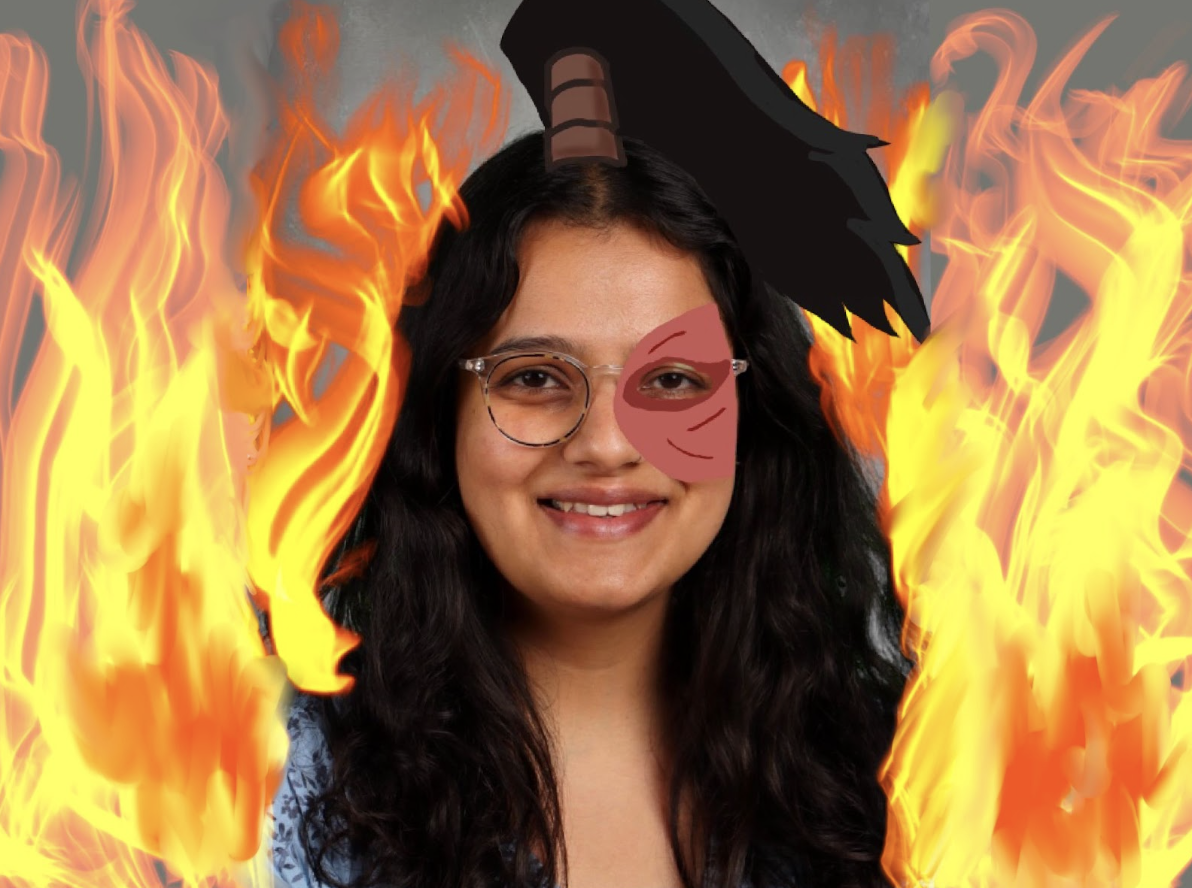
Zuko, on the other hand, has always been viewed as a failure. He earned the scar on his eye from refusing to fight his father, standing up for what he deemed respectful and moral. In the first two seasons of the series, Zuko “must restore [his] honor.” (Fun fact: throughout the entire series, Zuko only says the word “honor” 16 times!) He’d been outcast to perform a fool’s errand — to find and subdue the Avatar (at the time, the Avatar had been assumed to be gone) — and is continuously in denial of the fact. He seeks to alleviate his shame through assertiveness and confrontation, unwilling to let go of his pride.
But, even so, the two are siblings. When placed together on Ember Island at a party, they act remarkably alike (read: both with a dreadful, but not altogether surprising, complete lack of social skills or tact). They grew up in the same family and were raised under the same abusive mentality of their father, Fire Lord Ozai. At the beginning of the series, it wouldn’t have been unreasonable to say that they would meet the same fate.
How could they ever have turned out so differently?
Azula ends up as the equivalent of a madwoman, chained to the sewer and sent to a psychiatric institution (depicted in comics, after the series). Zuko becomes the esteemed new ruler of the Fire Nation, fighting alongside the Avatar for the sake of the people. It’s a fortunate ending for him. Toph really was spot-on when she declared that, “considering his messed-up family and how he was raised, he could have turned out a lot worse.”
The truth is that, while their environments shaped them, Zuko and Azula had fundamentally different moral codes and ideologies. We see Zuko being young and childish (or “weak,” as their father viewed) as a kid. Meanwhile, Azula had been forced to overcome that weakness from a young age, shown as she developed an apparent lack of empathy or remorse for threatening her friends, Mai and Ty Lee. It’s difficult to tell if it was innate or forced by Lord Ozai, but at the time of Zuko’s banishment, it had become a deeply ingrained part of her psyche.
Zuko, meanwhile, was lucky enough to have a support system in the form of Iroh (and, later, Team Avatar), so his banishment turned out to be a blessing in disguise.
Just like they say, when fire meets fire, you get more fire. The intricate detailing behind Zuko’s and Azula’s childhood that forms them into the people they are at the end of the show represents how important the environment one grows up in is. As younger kids typically digest this show, we believe Nickelodeon is setting the right example by showing how your actions lead to specific consequences, and how your mindset is key to overcoming them.
And we hope to have enlightened you with some more Avatar-intellect, and we’ll see you in the next one!
Procrastination Duo, out (mic drop)